
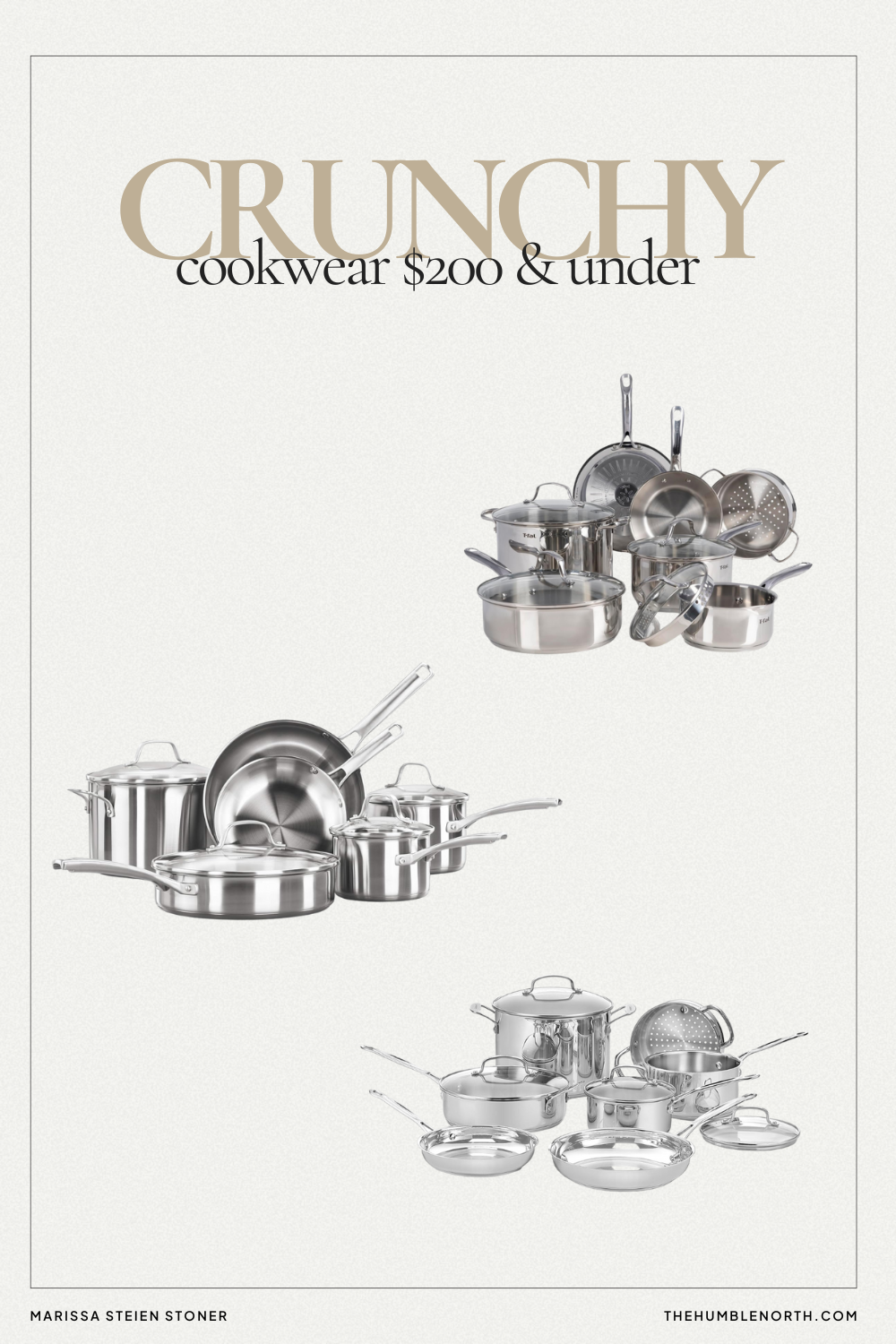
Hey! I am on this journey to use items in my daily living and being that are as non-toxic to me as possible. I try to live every day a “little less toxic.” I have found that I really enjoy stainless steel cookware and find it to be a less toxic cooking option than non-stick or options to PFAs or toxic synthetic chemicals that bleed into the food you are cooking. I have read that cast iron, ceramic, and stainless steel are great options for cleaner, crunchier cooking.
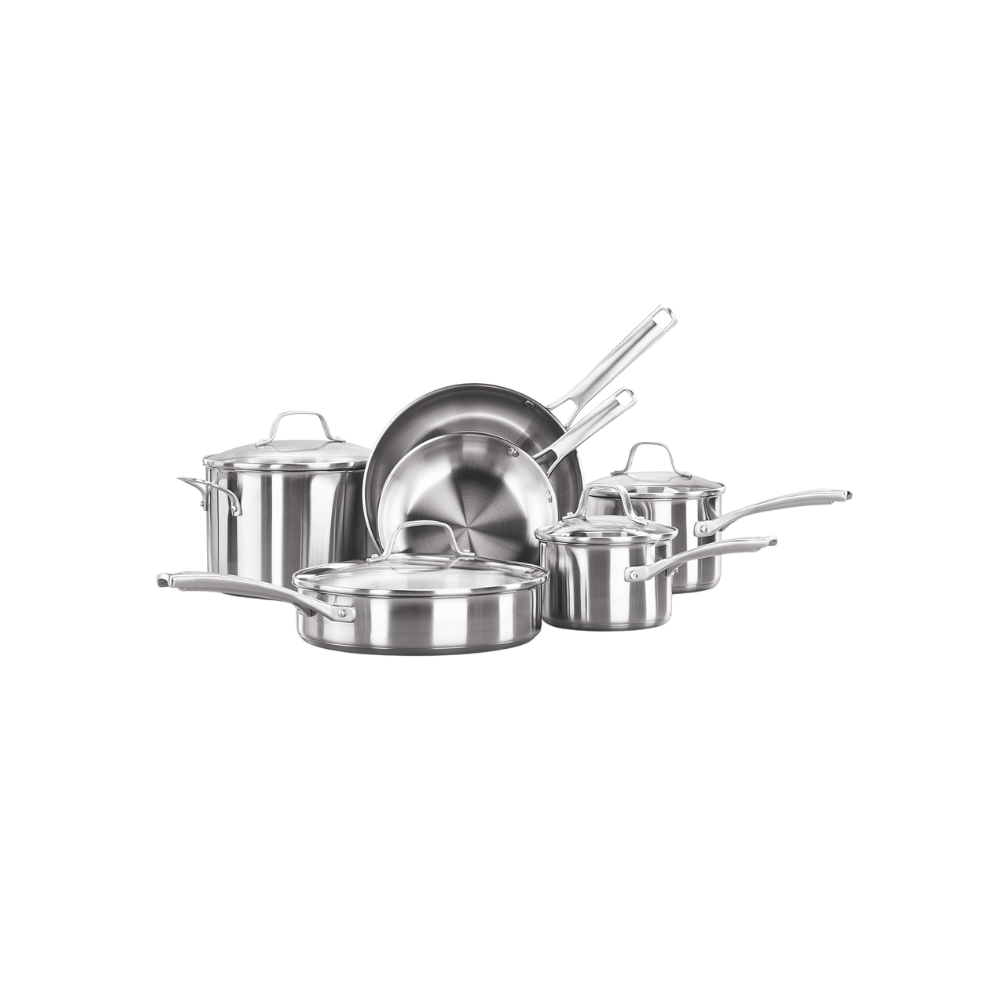
Check out these 3 under $200 options for stainless steel cookware!
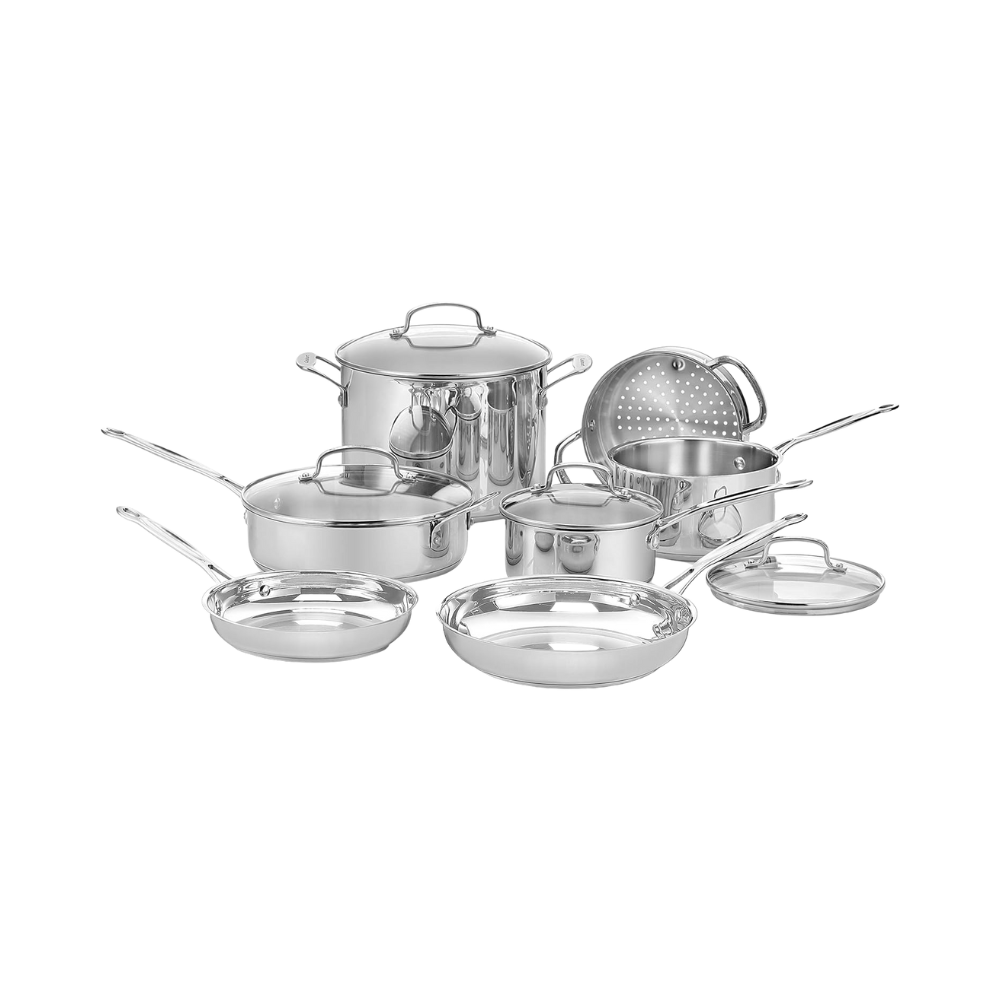
Cuisinart 77-11G Stainless Steel 11-Piece Set Chef’s Classic-Stainless Cookware
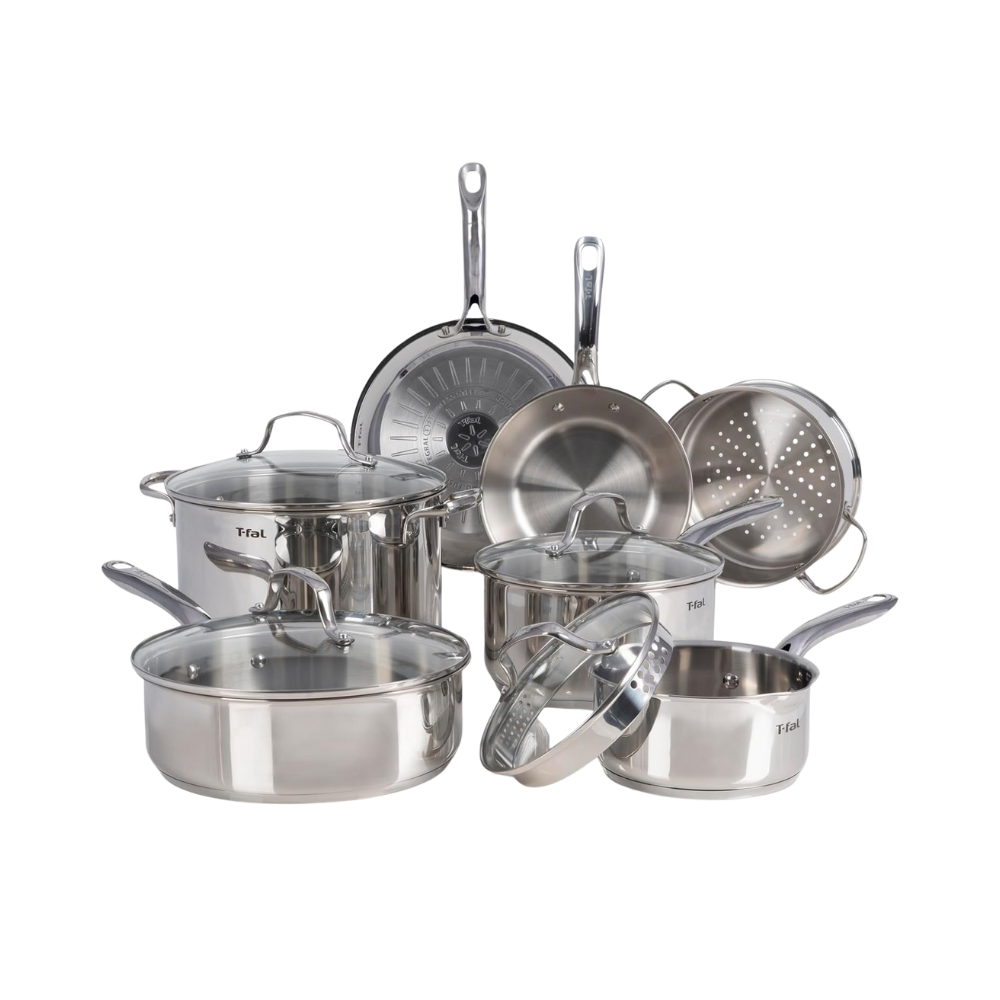
T-fal Stainless Steel Cookware Set, 11 Piece, Induction Cookware,
Need more data on why you should go stainless steel? I did a little inquiry with Chat GBT. Check out the following:
Here’s a short explanation — followed by a list of resources — supporting the idea that stainless steel cookware is generally less toxic (or “safer”) than many alternatives (especially nonstick or lower-quality metal cookware).
Why stainless steel cookware is considered less toxic
Cooking with good-quality stainless steel pots and pans is often viewed as a safer, lower-toxicity option — for several reasons:
No synthetic “nonstick” chemicals (PFAS, PTFE, PFOA, etc.)
Unlike many nonstick pans (traditionally coated with materials like PTFE/Teflon), stainless steel cookware is simply an alloy (usually iron, chromium, and nickel). It isn’t coated with synthetic chemicals that can degrade under high heat or scratch and shed into food. Caraway Home+2Healthline+2
Because PFAS/“forever chemicals” are linked to health concerns, eliminating them from cookware reduces one potential source of exposure. Consumer Reports+2SheetStainlessSteel.com+2Non-reactive with food (especially acidic foods)
High-quality stainless steel forms a stable, inert surface (thanks to chromium and other alloyed metals) that doesn’t react with acidic or alkaline foods. That means sauces containing tomato, citrus, vinegar, etc., are less likely to leach metals or pick up off-flavors. ChopChop USA+2Organic Authority+2
Because of this stability, stainless steel remains suitable for a wide variety of recipes without added chemical or metal leaching concerns. Consumer Reports+2Healthline+2Durability and longevity (less degradation, less wear & tear)
Stainless steel is tough, resists scratching, chipping, or flaking (unlike many coated pans), and can last decades if properly maintained. This durability reduces the likelihood that coatings degrade — a common pathway for contamination in coated cookware. ChopChop USA+2Healthline+2
Because there is no nonstick coating, there are no chemical-coating breakdowns or related emissions under high heat. Caraway Home+1Lower risk of chemical leaching compared to some alternatives
Some other cookware materials — lower-quality aluminum, certain coated pans — have been shown to leach metals or chemicals into food under certain conditions (especially acidic foods or high heat). In contrast, stainless steel’s inertness and stability make leaching far less likely or significant. datacom.com.br+2GoodRx+2
Many experts and consumer-health guides recommend uncoated stainless steel (or cast iron, glass, etc.) over coated nonstick options when minimizing exposure to potentially harmful chemicals. Consumer Reports+2Consumer Reports+2
Because of these properties, stainless steel cookware is often singled out as a “go-to” choice for those wanting to reduce kitchen toxicity — especially if they cook often, use acidic foods, or want cookware that lasts for many years without degrading.
Nuances & What “Less Toxic” Doesn’t Mean “Zero Risk”
It’s worth acknowledging that stainless steel isn’t a perfect chemical barrier, and some caveats exist:
Stainless steel alloys often include nickel and chromium. Under certain conditions (very high heat, prolonged cooking, highly acidic foods), small amounts of these metals can leach into food. For most people, levels are considered minimal and within safe limits. GoodRx+2Organic Authority+2
People with nickel (or other metal) allergies may have sensitivities when cooking with stainless steel. Healthline+1
As with any cookware, maintaining good practices (not overheating, avoiding excessive abrasion, using proper utensils) helps maintain safety and minimize risks.
Thus, “less toxic” here means “fewer or lower-probability hazards (especially chemical or synthetic-coating related) compared with many alternatives,” not “completely inert or risk-free in all conditions.”
Selected Resources & Studies Supporting Stainless Steel Safety
Here are some quality reference sources, consumer-health experts, and analyses offering evidence or arguments for stainless steel cookware as a safer choice:
| Resource / Source | Key Takeaway / Conclusion |
|---|---|
| Consumer Reports — cookwear safety guide | Recommends uncoated cookware (e.g., stainless steel, cast iron, glass) over nonstick; warns about PFAS in coatings. Consumer Reports+1 |
| Healthline — article on safe cookware | States there’s “little reason to believe cooking with stainless steel is harmful,” and highlights non-reactivity and lack of chemical coating. Healthline+1 |
| Cookware safety guide at ChopChop USA | Notes stainless steel is non-reactive, durable, safe at high temperatures, and free from harmful coatings like PTFE — making it a safe cookware choice. ChopChop USA |
| Analyses on metal-leaching & alloy composition | Acknowledges possibility of nickel/chromium leaching, but notes that high-quality stainless (especially 304/316 grades) leaches minimal amounts generally considered safe. SheetStainlessSteel.com+2datacom.com.br+2 |
| Avoidance of PFAS & chemical risks vs nonstick cookware | Points out that stainless steel does not use PFAS-based coatings, avoiding “forever chemicals” entirely — a major difference vs many nonstick alternatives. |
Overall, go crunchy kitchens!
Humbly,
Marissa Steien Stoner
The Humble North
PS: Broken link or typo? Message me at admin@thehumblenorth.com, and we’ll fix it. Thanks!

Marissa Steien Stoner
Marissa grew up in the midwest, loves Jesus, and loves the pursuit of truth and excellence in the spheres of body, soul & spirit. You'll find her reading and researching how to better improve her life and the lives around her. It's a humble pursuit, and she lives and learns in the north.
You May Also Like